Smart homes get most of the attention for the devices you can see, but the…
Home Rewiring 101: Timeline, Costs, and What Happens in Your Walls
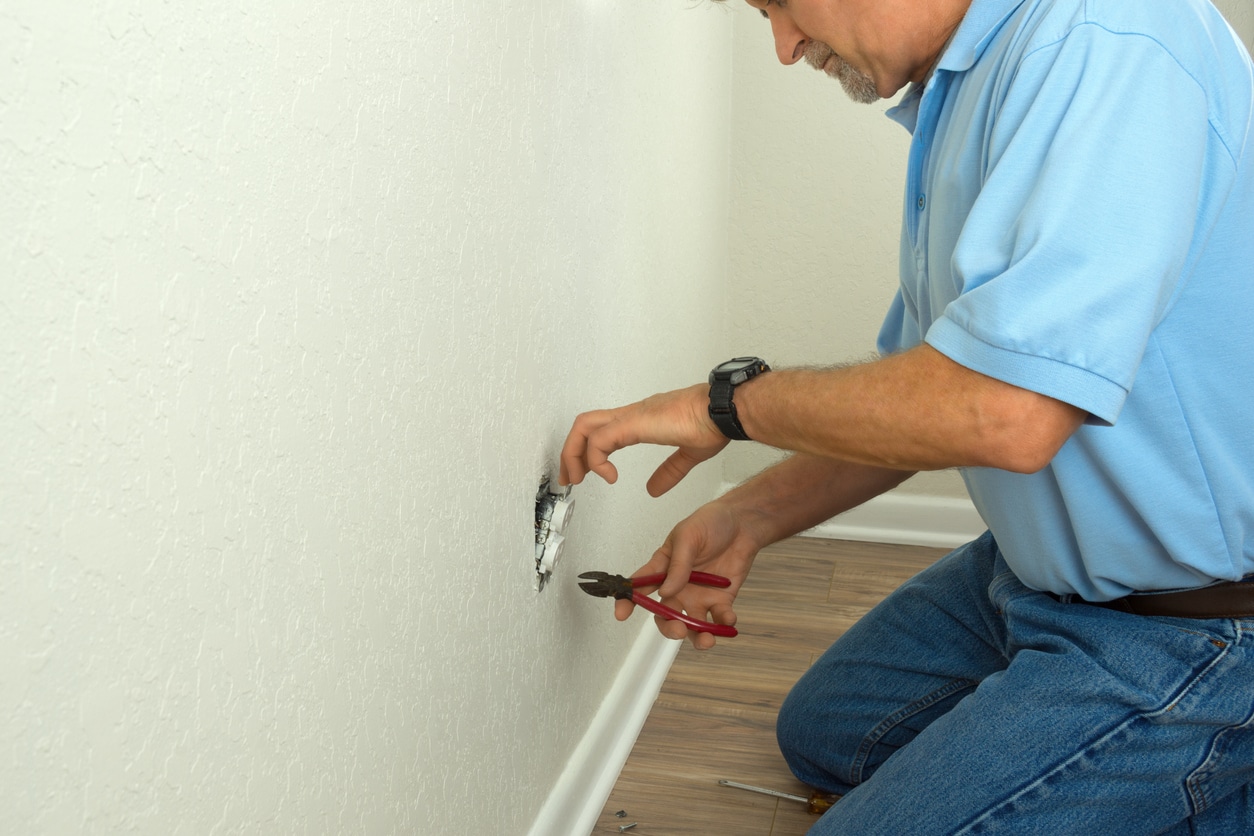
If your home is more than 30 or 40 years old, the wiring inside your walls may not be keeping up with the demands of modern living. Home rewiring is one of the most significant electrical upgrades a homeowner can make, and also one of the most misunderstood.
Whether you’re dealing with flickering lights, frequently tripped breakers, or an insurance company flagging your outdated wiring, this guide walks you through the process from start to finish.
By the end, you’ll have a clear picture of the timeline, what electricians do during each phase, and why replacing old wiring is often a worthwhile investment in your home’s safety and long-term value.
Home Rewiring at a Glance
- Most whole-home rewiring projects take 3 to 10 days, depending on the home’s size and existing conditions.
- Signs you may need rewiring include flickering lights, outdated two-prong outlets, aluminum wiring, or a panel that can’t keep up with your electrical load.
- A licensed electrician will assess your home before recommending full or partial rewiring.
- Rewiring improves safety, increases home value, and brings your electrical system up to current code.
- Permits are required for rewiring projects—a licensed contractor handles this on your behalf.
How Do You Know If Your Home Needs Rewiring?
Not every older home needs a full rewiring, but many do—especially those built before the 1980s. The challenge is that wiring lives inside your walls, so problems aren’t always visible until something goes wrong.
Some of the most common warning signs include:
- Lights that flicker or dim when you run appliances
- Breakers that trip frequently or feel warm to the touch
- Two-prong outlets throughout the home (no ground wire)
- A burning smell near outlets or the electrical panel
- Aluminum wiring, which carries an additional fire risk without proper repairs
- An electrical panel with fuses instead of circuit breakers
If you’re seeing any of these in your Katy home, it’s worth scheduling an inspection with a licensed electrician before the problem escalates. An inspection is also a smart first step before buying or selling an older property.
What Happens During a Home Rewiring Project?
Home rewiring isn’t a single task. It’s a phased process that involves multiple trades, a permit, and careful coordination. Here’s a general breakdown of what to expect.
Phase 1: Electrical Assessment and Permitting
Before any work begins, a licensed electrician will inspect your current system. They’ll evaluate your panel, assess the condition and type of existing wiring, and determine whether partial or full rewiring makes sense for your situation.
Once the scope is agreed upon, your electrician pulls the required permits from the local municipality. In Katy, TX, electrical work must meet current National Electrical Code (NEC) standards, and permitted work is inspected to confirm compliance. This step protects you as a homeowner and ensures the work is done correctly.
Phase 2: Rough-In Wiring
This is the most labor-intensive part of the project. Electricians run new wiring through your walls, attic, and crawl spaces—replacing old wiring as they go. Depending on your home’s construction, this may involve opening up drywall in certain areas. However, experienced electricians use low-impact techniques whenever possible to reduce the need for major repairs later.
During rough-in, new circuits are established, and the groundwork is laid for outlets, switches, and fixtures throughout the home. If your panel needs to be upgraded to support the new wiring load, that work typically happens during this phase as well.
Phase 3: Inspection
Once the rough-in is complete, a city or county inspector visits the property to verify that the work meets code. Your electrician coordinates this visit and is responsible for any corrections if the inspection requires adjustments. This is a standard part of any permitted electrical project.
Phase 4: Finish Work
After the inspection clears, electricians install the finish components: outlets, switches, light fixtures, cover plates, and any specialty components, such as GFCI outlets in bathrooms and kitchens or AFCI breakers in living areas. Drywall patching, if needed, is typically handled by a separate contractor, though your electrician can advise on the best approach.
Phase 5: Final Inspection and Walkthrough
A second inspection confirms that everything is complete and code-compliant. Your electrician will walk you through the finished system, explain what was replaced and why, and answer any questions about your new panel or circuits.

How Long Does Home Rewiring Take?
The timeline varies based on the size of your home, the condition of your existing wiring, and whether any drywall work is required. A general estimate for most single-family homes:
- Small homes (under 1,500 sq ft): 3 to 5 days
- Mid-size homes (1,500–2,500 sq ft): 5 to 7 days
- Larger homes (2,500+ sq ft): 7 to 10 days or more
These are working days, not calendar days. If inspections need to be scheduled or materials ordered, the overall project may span two to three weeks from start to finish. A reputable electrician will give you a realistic timeline upfront and keep you informed as the project progresses.
What Does Home Rewiring Cost?
Rewiring costs vary widely based on home size, wiring type, panel condition, and local labor rates. Rather than quoting numbers that may not reflect your specific situation, the most reliable way to understand your costs is to get an in-person assessment from a licensed electrician.
What you’re paying for includes:
- Labor from licensed electricians
- New wiring materials (copper wire, conduit, junction boxes)
- Panel upgrades, if needed
- Permit fees
- Outlet and switch hardware
Pro Tip: Get quotes only from licensed, insured contractors. Electrical work without a permit can create problems when you sell your home and may void your homeowner’s insurance. Ask whether the quote includes permits and inspections.
Benefits of Rewiring an Older Home
The immediate motivator for rewiring is usually safety, but the benefits go further than that. Here’s what homeowners typically gain from a full electrical upgrade:
- Reduced fire risk. Old wiring, particularly aluminum or knob-and-tube wiring, significantly increases the risk of electrical fires. New copper wiring with proper grounding dramatically reduces that risk.
- Modern electrical capacity. Older homes were wired for far fewer devices than we use today. New wiring supports the demands of modern appliances, EV chargers, home offices, and smart home systems.
- Insurance compliance. Many insurers won’t cover homes with certain types of outdated wiring, or they charge significantly higher premiums. Rewiring can make your home insurable at standard rates.
- Increased home value. Updated electrical systems are a selling point. Buyers and inspectors notice, and an updated panel and wiring can support a stronger asking price.
- Code compliance. Brought-up-to-code wiring gives you protection and documentation that the work was done properly.
Frequently Asked Questions About Home Rewiring
We hear a lot of questions about home rewiring from Katy, TX, residents just like you. Here are the answers to the most common ones:
Do I have to move out of my home during a rewiring project?
In most cases, you can stay in the home during rewiring, though there will be periods without power to certain areas. Your electrician will work in sections to minimize disruption. For larger projects or homes with very outdated systems, temporary relocation may speed up the work, but it’s rarely required. Talk through your situation with your electrician before the project begins.
Is rewiring covered by homeowner’s insurance?
Rewiring itself is generally not covered by homeowner’s insurance because it’s considered a home improvement or maintenance issue rather than damage from a covered event. However, damage caused by faulty wiring—such as a fire—may be covered depending on your policy. Some insurers offer premium discounts after you complete a rewiring project. Check with your provider directly for specifics.
What’s the difference between rewiring and a panel upgrade?
A panel upgrade replaces or expands your electrical panel (the breaker box) to add capacity, improve safety, or meet code requirements, but it doesn’t change the wiring running through your walls. Rewiring replaces the wiring itself throughout the home. In many cases, older homes need both, and a licensed electrician can help you understand which one applies to your situation, or whether doing both at the same time makes more sense.
Ready to Move Forward With Your Electrical Upgrade?
Home rewiring is a big project, but it’s also one of the most protective investments you can make in an older home. Updated wiring reduces safety risks, supports modern electrical demands, and brings your home into compliance with current code standards.
Talk to Electric City About Your Home Rewiring Project
If you’ve been putting off addressing aging wiring, the team at Electric City is ready to help you figure out your next step. We’ll assess your current system honestly, walk you through your options, and give you a clear picture of what the work involves before anything begins. Call us at (832) 724-1781 or book online to schedule your inspection.
Related Posts