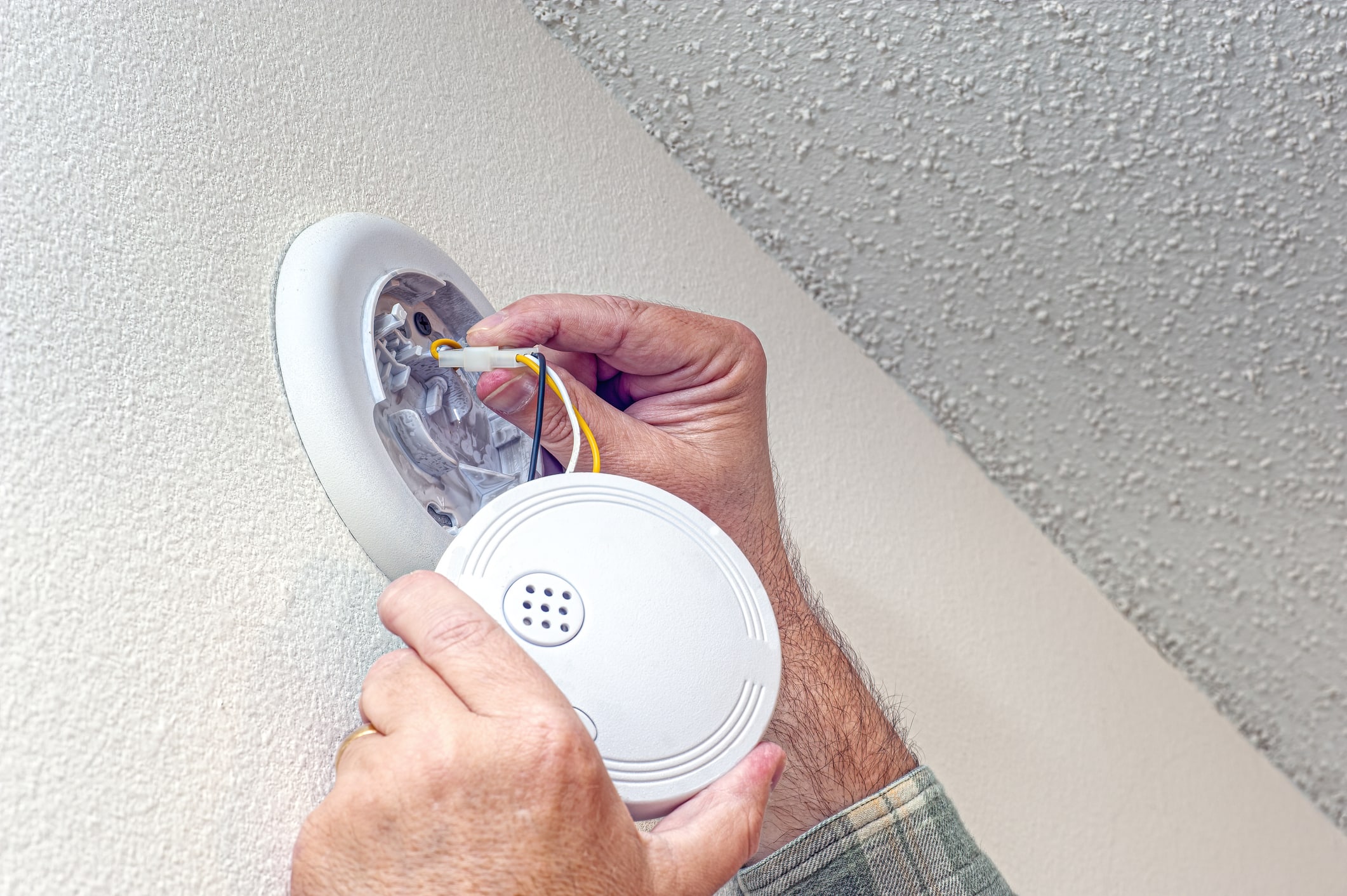
Smart homes get most of the attention for the devices you can see, but the…
What to Know Before EV Charger Installation in Your Home
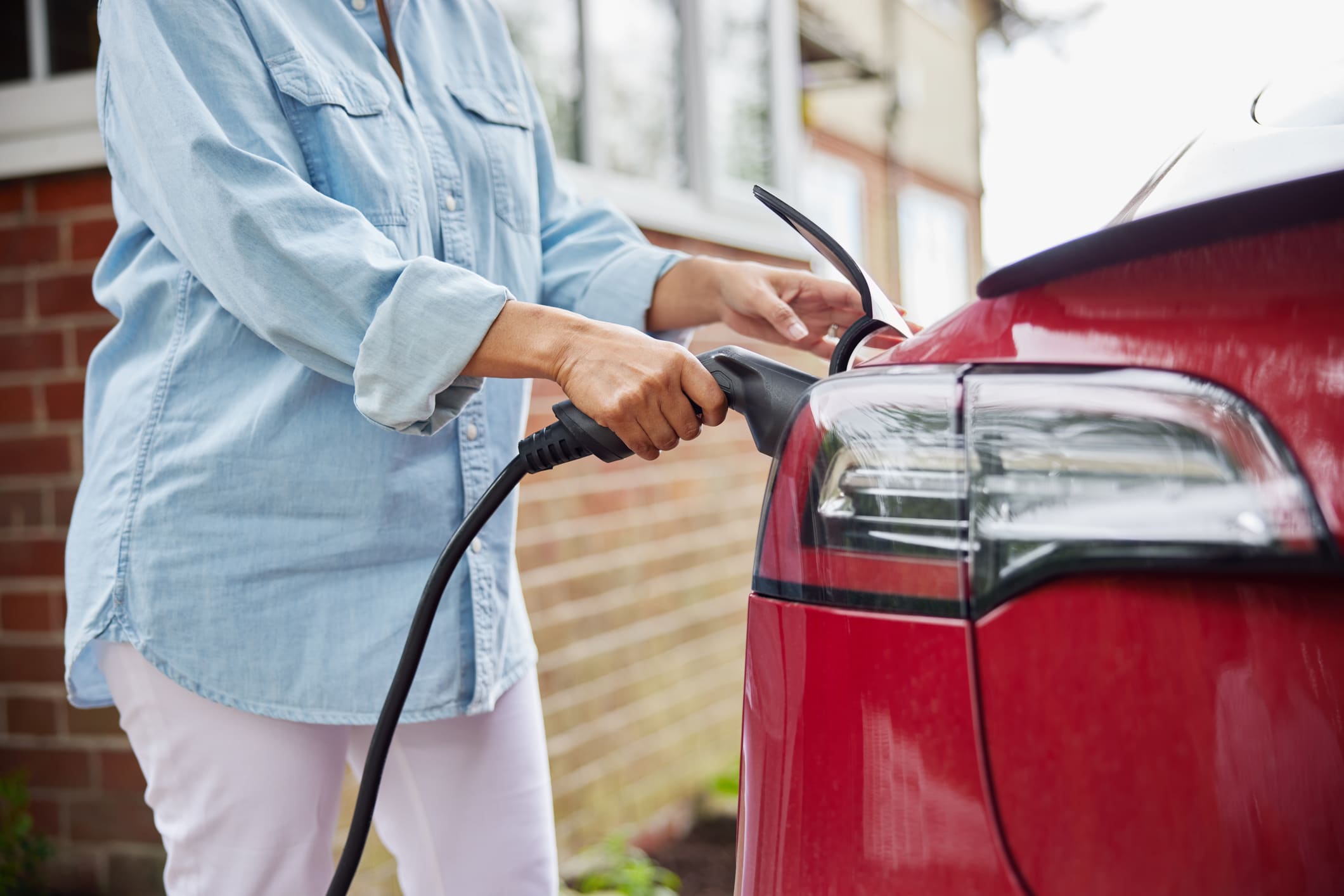
As electric vehicles continue to gain popularity in Katy, TX, more homeowners are discovering that preparing their home for an EV charging station is just as important as choosing the right electric vehicle for their lifestyle. Before any installation can begin, it’s important to make sure your home’s electrical system is ready to safely support any additional demand.
At Electric City, we help homeowners understand exactly what their electrical system needs before installation begins. Depending on your current setup, you may need your home’s electrical system evaluated to ensure that any upgrades, permits, or other safety concerns are carefully considered. In this guide, we’ll walk through some key steps to preparing your home for safe and reliable EV charging.
EV Charger Installation Prep at a Glance
- Before EV charger installation, your home’s electrical system should be evaluated to ensure it can safely support a charging station.
- Older homes or overloaded electrical panels may require an electrical panel upgrade.
- A professional evaluation helps determine the safest location for the charger and identify potential electrical concerns before installation.
- Electrical permits verify that the installation meets current electrical codes and safety standards.
- Having information about your vehicle, charging habits, and your home’s electrical usage ready helps streamline the installation process.
Does Your Home Need an Electrical Panel Upgrade Before EV Charger Installation?
Whether you’re looking to save money at the gas pump, reduce your environmental impact, or simply enjoy the convenience of driving an electric vehicle, purchasing your first EV is an exciting milestone. That said, one of the most common surprises homeowners encounter is learning that upgrading their electrical system is often the first step to charging their vehicle at home.
Electric vehicle charging stations come in several configurations, each with different charging speeds and electrical requirements. While some chargers can use a standard 120-volt household outlet, others require a dedicated 240-volt circuit for faster charging. Understanding your charger’s electrical demand is one of the first steps in determining whether upgrades may be needed. If you’re unsure which charger fits your lifestyle, the EPA’s Home EV Charger Calculator is a helpful place to start.
How to Check If Your Electrical Panel Needs an Upgrade
Most modern homes with 200-amp service can support the electrical demands of today’s high-powered lifestyle, including multiple EV chargers. However, older homes with 100-amp service or less may require further evaluation.
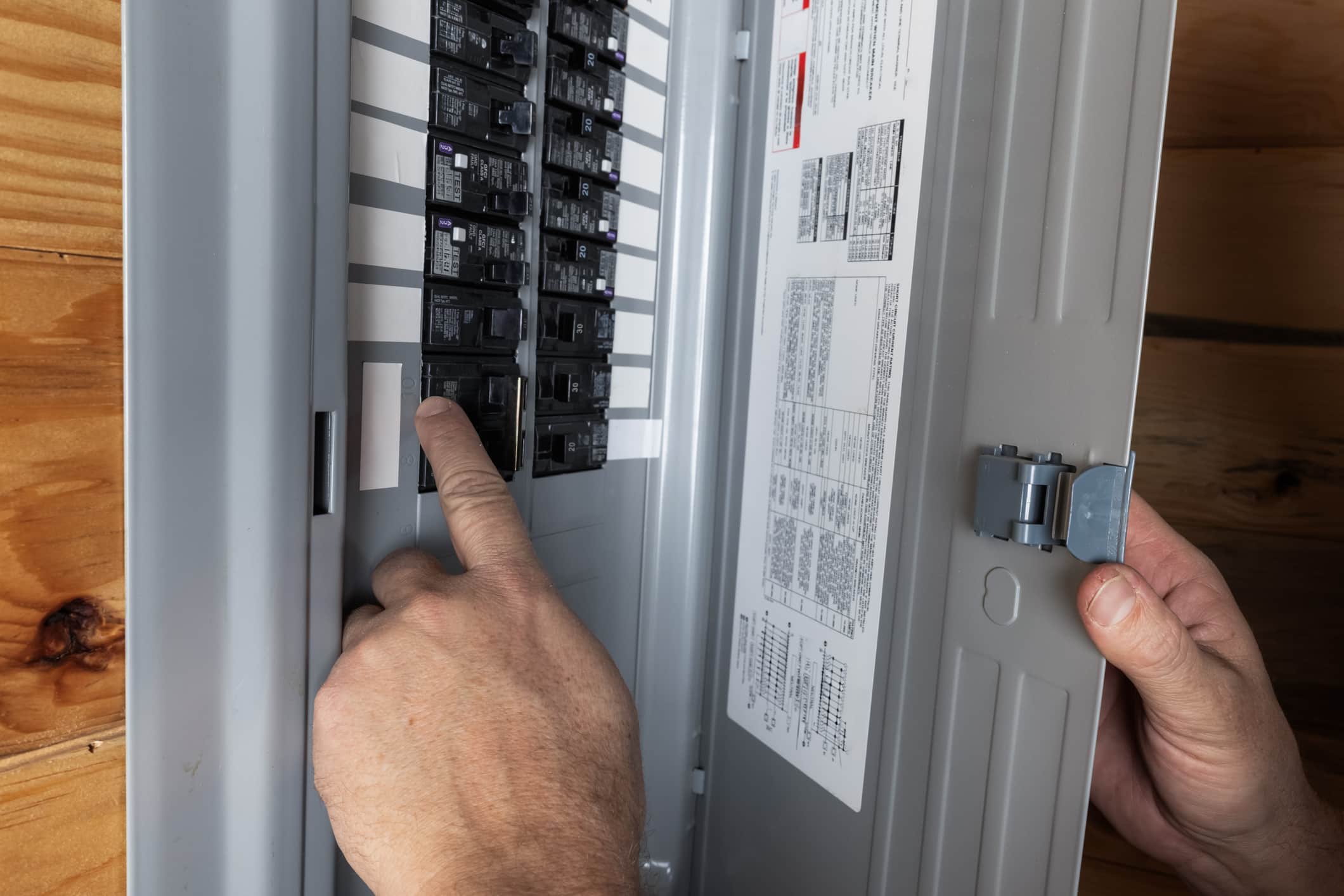
Not sure what size electrical service your home has? Start by locating your electrical panel, typically in a garage, utility room, basement, or an exterior wall. Your home’s electrical amperage rating is often printed on the main breaker or on the inside of the panel door. This provides a helpful starting point for a licensed electrician to professionally evaluate your panel and determine whether your existing service has sufficient capacity for EV charger installation.
Other Signs Your Panel May Need Attention
Every home and electrical system is different. Knowing your panel’s amperage is part of the picture, but it’s also important to pay attention to how your electrical system performs during everyday use.
Keep an eye out for:
- Frequent breaker trips
- Flickering lights/malfunctioning equipment when large appliances are in use
- A full breaker panel with no open spaces
- Older electrical systems
- Multiple high-demand appliances already in use
If you notice one or more of these signs, your home’s electrical panel needs an evaluation from a licensed electrician.
What Happens Before an EV Charger Is Installed?
Installing an EV charger takes more than simply mounting equipment to your wall. Before installation begins, a licensed electrician evaluates your electrical system, determines the best location for your EV charger, and identifies any required permits.
Evaluating Your Home’s Electrical System
A professional evaluation looks beyond your panel’s amperage to provide a complete picture of your home’s electrical system.
Before the evaluation, your electrician will consider:
- Your home’s current electrical load
- Potential future electrical needs
- Whether any upgrades may be beneficial
During the evaluation, your electrician will:
- Inspect the condition of your electrical panel
- Determine its available capacity
- Identify any existing issues that could affect the installation
They’ll also evaluate the proposed charger location and ensure a dedicated circuit can be added safely without overloading your electrical system. Identifying potential concerns early and planning ahead helps protect both your home and vehicle from unexpected issues down the road.
Choosing the Best Location for Your EV Charger
Deciding where to place your EV charger may not seem like an important part of the installation process, but your charger’s location can affect both convenience and long-term performance in your at-home charging experience.
Factors that your electrician will consider include:
- Distance from your electrical panel
- Where you normally park
- Indoor or outdoor installation
- Accessibility and cable reach
- Protection from weather and daily use
Selecting the right location from the outset helps create a charging solution that works well today and remains practical for years to come.
Do I Need Any Permits Before Installing an EV Charger?
Once your electrician has evaluated your home’s electrical system and determined the best location for your EV charger, the next step is making sure the installation meets local code requirements. Permits and inspections help verify that electrical work complies with the National Electrical Code (NEC) and local regulations in Katy.
Beyond protecting your family’s safety, properly permitted work also provides valuable documentation that your installation was completed professionally and up to code. If you ever decide to sell your home, that documentation can help protect your investment. Electric City handles the permitting process from start to finish, so you never have to worry about your EV charger installation or panel upgrade being up to code.
FAQs About EV Charger Installation
How long does EV charger installation typically take?
Most home EV charger installations take a few hours to complete once permits are approved, though timelines vary depending on your electrical panel’s condition and the charger’s distance from the panel. If a panel upgrade is needed first, the overall project may take longer, since that work must be completed and inspected before the charger is installed. Your electrician can give you a clearer timeline once they’ve evaluated your home’s electrical system.
Can I install an EV charger myself to save money?
While it might be tempting to handle the installation yourself, EV chargers require a dedicated circuit and proper electrical connections that should only be handled by a licensed electrician. DIY installation can lead to safety hazards, code violations, and even damage to your vehicle’s charging system. Working with a licensed professional also ensures your installation is properly permitted and documented for future reference.
Will installing an EV charger increase my electric bill?
Yes, charging an EV at home will add to your monthly electric bill, though the cost is typically much lower than what you’d spend on gas. The exact increase depends on your vehicle’s battery size, how often you charge, and your local electricity rates. Many homeowners find that off-peak charging, when available through their utility provider, helps keep costs down even further.
Ready to Get Your Home Prepared for Safe EV Charging?
Preparing your home for EV charger installation starts with an understanding of your home’s electrical system. Getting to know your existing electrical panel and picking out a potential location for your EV charger are solid first steps. After that, the team at Electric City can evaluate your electrical system, identify potential concerns before they become problems, and install your electric car charging station with safety and reliability in mind.
We’re Ready For You! Get in Touch With the Pros at Electric City
If you’re considering an EV charger installation, Electric City is here to help. Contact us online or call us at 832-724-1781 to schedule your consultation and take the next step toward your at-home charging experience.
Related Posts