
Smart homes get most of the attention for the devices you can see, but the…
Smoke and Carbon Monoxide Detector Replacement Schedule Guide
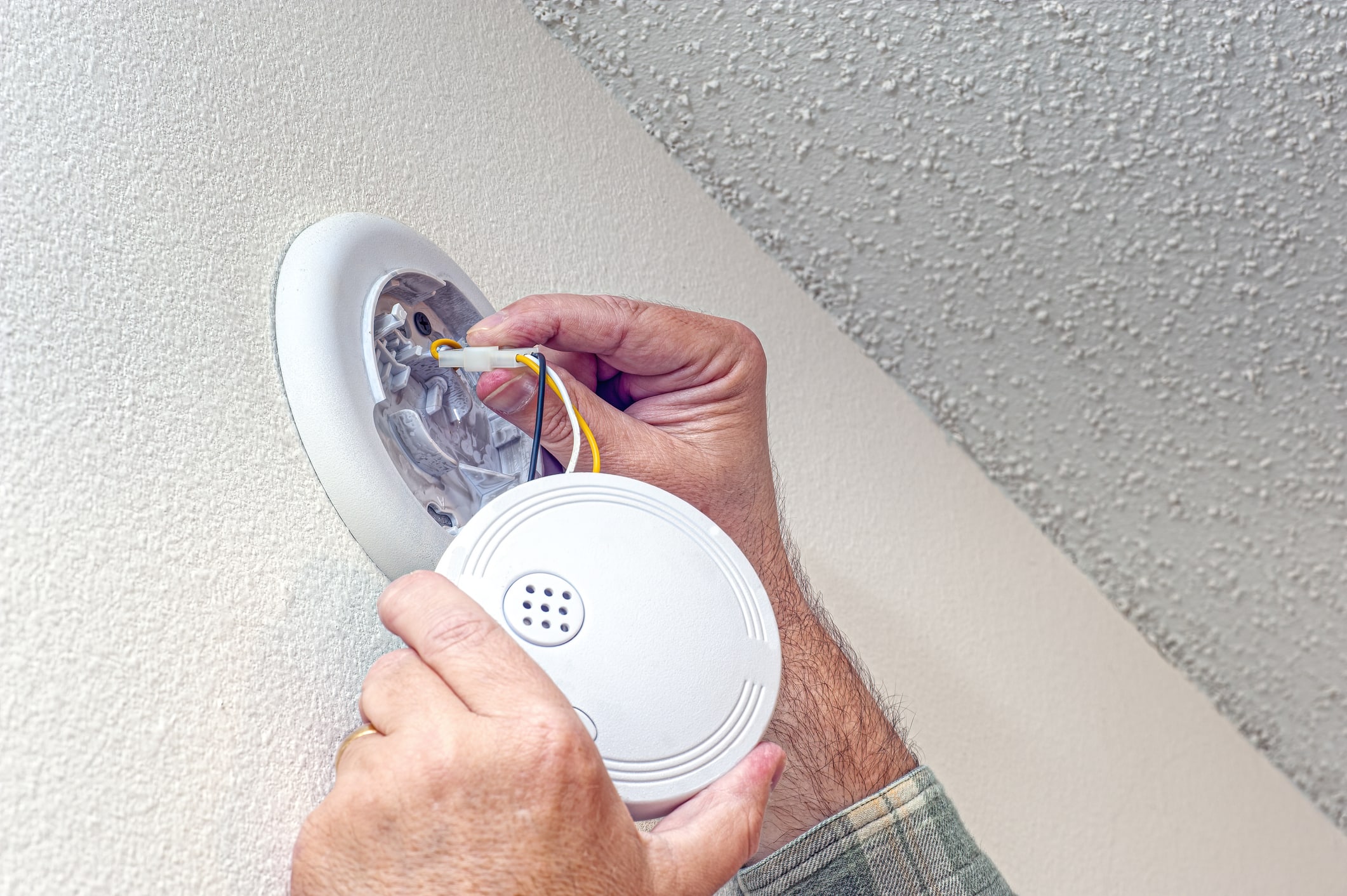
Most homeowners in Katy, TX, don’t think about their smoke detector until it starts chirping at 2 a.m. But even a detector that seems to be working fine can quietly stop protecting your family. As a rule of thumb, smoke detectors should be replaced every 10 years, and carbon monoxide detectors every 5 to 7 years, regardless of whether they still pass a test-button check.
That’s because the sensors inside these devices degrade over time from dust, humidity, and simple age, not from misuse. A smoke detector installation from a licensed electrician ensures your home has properly placed, correctly wired, and up-to-date protection. Today, we’re covering exactly when to replace your detectors, where to place them, and why interconnecting your system matters more than most homeowners realize.
Quick Summary
- Smoke detectors should be replaced every 10 years from the manufacture date, not the installation date.
- Carbon monoxide (CO) detectors typically need to be replaced every 5 to 7 years.
- Check the manufacture date stamped on the back of each unit to know where you stand.
- Interconnected alarms mean every detector sounds when one detects smoke or CO, buying you critical seconds.
- Test alarms monthly and replace batteries at least once a year, or use 10-year sealed battery models.
Why Do Smoke Detectors Need Replacing Every 10 Years?
Smoke detectors rely on photoelectric or ionization sensors that lose sensitivity as they age. This means a smoke detector can look and sound fine while its ability to actually detect smoke weakens over time. The National Fire Protection Association’s NFPA 72 code sets the maximum service life for these devices at 10 years from the manufacture date, not from the day they were installed on your ceiling.
Pushing the “test” button on your detector only confirms that the alarm’s circuitry, battery, and speaker are working, not that the sensor can still detect smoke. A detector that passes a button test can still fail to detect real smoke if the sensing chamber has degraded. That’s the risk of relying on “it still beeps” as your only indicator for whether your detector is protecting your home.
How Do I Find My Detector’s Manufacture Date?
Twist the unit counterclockwise to remove it from its mounting bracket, then check the back or side of the housing for a label reading “MFG DATE” followed by a month and year. If you can’t find a date at all, treat the detector as overdue and replace it.
Why Do Carbon Monoxide Detectors Wear Out Faster?
CO detectors use electrochemical sensors that have a shorter working life than smoke sensors, typically 5 to 7 years. Because carbon monoxide is odorless and invisible, a CO detector that’s past its prime is one of the more dangerous blind spots in a home.
Many combination smoke/CO units are rated for the shorter CO sensor lifespan, so check the label on any combo unit carefully rather than assuming it matches the 10-year smoke alarm rule.
What Are the Warning Signs My CO Detector Needs Replacing?
Most units chirp at regular intervals or display an “End” or error code once the sensor reaches the end of life. If your detector is unresponsive during a monthly test or you simply can’t confirm the manufacture date, replace it rather than wait for a failure signal.
Where Should Smoke and CO Detectors Be Placed?
Proper placement matters as much as having a working detector. A few guidelines to follow:
- Install smoke detectors inside every bedroom, outside each sleeping area, and on every level of the home, including basements.
- Place CO detectors on every floor and near, but not inside, an attached garage.
- Keep CO detectors away from direct sunlight, at least five feet from major appliances, and away from high-humidity areas like bathrooms.
- Avoid mounting detectors near ceiling fans, vents, or returns where airflow can delay detection.
Why Interconnected Systems Matter
An interconnected system means that when one detector senses smoke or CO, every detector in the home sounds at once. In a two-story home, that’s the difference between hearing an alarm from the kitchen and hearing it while you’re asleep upstairs.
Interconnection can be wired or wireless, and it’s one of the most overlooked upgrades homeowners can make. An electrical maintenance visit is a good opportunity to check whether your existing detectors are interconnected or operating independently.
Are Interconnecting Detectors Required by Code?
Many local and state fire codes now require interconnected smoke alarms in new construction and major renovations. Even when it isn’t mandatory, interconnection is widely recommended by fire safety officials as a low-cost way to improve emergency response time.
Building a Simple Maintenance Schedule
Staying on top of detector maintenance doesn’t take much time. A basic schedule looks like this:
- Monthly: Press the test button on every smoke and CO detector.
- Every 6 months: Replace batteries in non-sealed units and vacuum dust from the vents.
- Every 5 to 7 years: Replace all CO detectors, checking the manufacture date first.
- Every 10 years: Replace all smoke detectors, even if they still test fine.
Frequently Asked Questions
Can I just replace the battery instead of the whole detector?
No. Battery replacement keeps the alarm powered, but it doesn’t reverse sensor degradation. Once a detector reaches its manufacturer’s end-of-life date, the entire unit needs to be replaced, even if it has a fresh battery installed.
Do smart smoke detectors need to be replaced on the same schedule?
Yes. Smart and Wi-Fi-connected detectors use the same type of sensing technology as standard models, so they follow the same 10-year (smoke) and 5-to-7-year (CO) replacement guidelines. The added notifications don’t extend sensor life.
Should I hire an electrician, or can I replace detectors myself?
Battery-only units are simple DIY swaps. Hardwired detectors, especially interconnected systems, are safer and more reliably installed by a licensed electrician who can confirm proper wiring, placement, and code compliance.
Protecting Your Home Starts With Working Detectors
Smoke and CO detectors are only effective when they’re within their service life, properly placed, and working together as a system. Checking manufacture dates today is a small step that closes a real gap in your home’s protection.
Ready for a Home Safety Check?
Electric City can inspect, replace, and interconnect your smoke and CO detectors so your home stays protected year-round. Contact us today or give us a call at (832) 724-1781 to schedule your service.
Related Posts