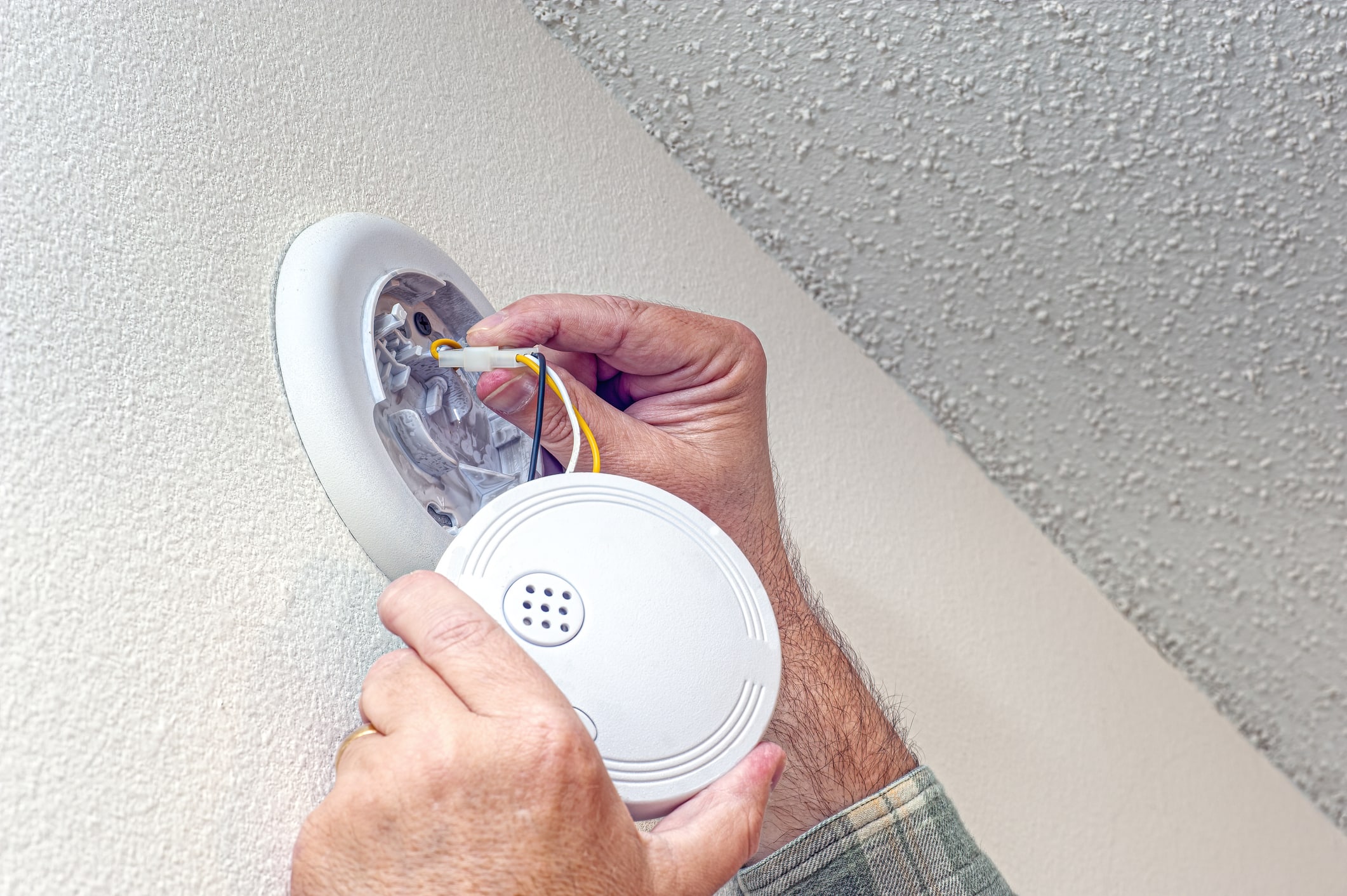
Most homeowners in Katy, TX, don't think about their smoke detector until it starts chirping…
How Smart Homes Are Changing Electrical Design

Smart homes get most of the attention for the devices you can see, but the real work happens behind the walls. A few smart switches probably won’t affect your electrical load much—but once EV charging, pool equipment, electric appliances, a larger AC system, and other connected devices enter the picture, your main electrical panel deserves a closer look. Good smart home wiring means reliable power to every connected device, the right wiring where it’s needed, and a panel that can handle both current demands and future additions.
At Electric City, we check panel capacity and the condition of the wider electrical system whenever homeowners add new loads. Planning the electrical side early can save you from buying equipment your home isn’t ready to support, or from opening up finished walls later to run wiring that could have been handled during the original project.
Smart Home Electrical Planning at a Glance
- Smart devices still need safe wiring and properly sized electrical circuits.
- A few connected controls do not automatically mean you need a larger panel.
- Bigger electrical upgrades, such as EV chargers and electric appliances, can change the home’s total power needs.
- Smart energy controls can help you see and manage when connected equipment uses electricity.
- Surge protection becomes more useful as the amount of sensitive electronics in your home grows.
How Are Smart Homes Changing Electrical Design?
Electrical planning used to focus mostly on lights, switches, outlets, and the big appliances everyone expected a house to have. Modern homes can ask much more of the electrical system. Many smart devices can be connected to and controlled through an app on your phone, including:
- Thermostats
- Lighting
- Cameras
- Video doorbells
- Smart locks
- Energy monitors
- Automated shades
- EV charging
- Pool equipment
- Home office gear
- Appliances
Some of these devices use very little power. Still, they need the right connection and a steady power supply to stay online.
Does Every Smart Device Need Special Wiring?
No. Plenty of smart products plug into the outlets you already have. Others can replace an existing device without a major electrical project.
But some products do have specific wiring needs. Smart thermostats are a good example. ENERGY STAR says most use low-voltage wiring, and many rely on a C-wire for reliable power, though the exact setup depends on the thermostat.
That’s why it makes sense to check the existing wiring before buying several matching devices. Finding out afterward that half of them need wiring you don’t have is a frustrating way to start a smart-home upgrade.
What Does Smart Home Wiring Need to Account For?
Smart home wiring is not one magic cable that makes the whole house intelligent. The real goal is having power where you need it, enough room for the controls, and wiring that works with the devices you plan to install.
Do Smart Switches and Controls Need Constant Power?
Some do. A connected switch may need continuous power to keep its electronics and wireless connection running, even when the light itself is off. Depending on the model, that can make the neutral wire, switch-box space, dimmer type, and existing wiring more important than they were with an old mechanical switch.
If you’re upgrading lighting at the same time, we install LED lighting and dimmer controls for homes and businesses in the Katy area. The key is not to guess inside the wall. Check what the device requires and what wiring is already there.
Why Does Planning Before a Remodel Help?
Because walls are much easier to work with before they’re finished. If you’re already remodeling a kitchen, office, bedroom, or living space, it is a good time to consider where future controls, outlets, powered equipment, and connected devices will go.
Running another cable while the wall is open can be fairly simple. Cutting into fresh drywall six months later because you forgot power for a control panel is a much less pleasant conversation.
You don’t need to prepare for every gadget that might exist in ten years. Plan for the things you can realistically see yourself adding.
When Does a Smart Home Need More Electrical Panel Capacity?
A handful of smart bulbs and sensors probably won’t push a healthy electrical service over its limit. The greater concern is the equipment that often comes with a more connected, more electric home, such as:
- EV chargers
- Electric water heaters
- Ranges
- Dryers
- Upgraded air conditioning systems
- Pools
- Hot tubs
- Workshops
- Additions
Our company performs an electrical load analysis to see what the home is already using and how much room remains for future equipment.
How Does an Electrician Check Panel Capacity?
The electrician looks at the service size and the loads already connected to the house. Then they factor in what you plan to add.
That second part matters because an empty breaker slot does not automatically mean the electrical system has enough capacity for a major new load. You can have physical space in the panel and still need a proper load calculation before installing something that draws a lot of power.
ENERGY STAR also recommends checking both the panel capacity and the available breaker space when planning larger electrical upgrades.
Why Does Surge Protection Matter in a Smart Home?
Every connected device adds electronic components to your home. Think about smart TVs, routers, security equipment, control boards, hubs, computers, appliances, and lighting controls. A power disturbance can reach far more than one old lamp plugged into the wall.
That makes surge protection worth thinking about when you are planning broader electrical upgrades, especially in the Katy area, where storms and lightning are hardly unusual.
Whole-home surge protection at the electrical panel can provide a first layer of protection for connected equipment. Sensitive electronics may also benefit from point-of-use protection.
When Should You Call a Home Automation Electrician?
You don’t need a home automation electrician every time you plug in a smart speaker. Professional electrical help becomes much more useful when smart device installation changes permanent wiring, adds a new circuit, affects the panel, or brings higher-demand equipment into the home. That may include a new smart lighting layout, an EV charger, pool equipment, extra circuits, or controls that your existing switch boxes don’t have.
At Electric City, our electrical inspections go beyond the one item that brought the homeowner in. Our technicians check areas such as the electrical meter, grounding, panel, wiring condition, signs of overheating, and surge protection, so a bigger problem doesn’t get missed while another repair is happening.
Common Questions About Smart Home Wiring
Do smart homes need a 200-amp electrical panel?
Not automatically. The right service size depends on your home’s total electrical demand and what equipment you plan to add. A few smart switches may barely change the load, while an EV charger, pool, electric water heater, or major HVAC upgrade can make a much bigger difference.
Can an older home support smart devices?
Often, yes. But older homes may not have the wiring some connected controls need, and the electrical panel may have less room for larger upgrades. Our guidance for older homes recommends checking the system before adding modern electrical loads.
Do smart switches need different wiring?
Some do. Certain smart switches require a steady power supply or wiring that may not be present in every switch box. Requirements vary by model, so check the device specifications and existing wiring before buying several switches for the house.
Does smart home wiring lower your electric bill?
The wiring itself doesn’t lower energy use. Smart controls may help you manage schedules, reduce unnecessary operations, and see where power is going. The result still depends on the equipment, your settings, and how your household uses it.
Can smart devices cause electrical overloads?
Small smart controls are rarely the main concern. The bigger risk comes when you add high-demand equipment or place too many loads on circuits that were not designed for them. A professional load analysis can show what the electrical system can safely support.
Build the Electrical System Before Adding More Technology
A smart home works better when the underlying electrical system is ready for the job. That means checking the wiring, panel capacity, circuits, grounding, and surge protection before connected equipment starts piling up.
You don’t need to rebuild your electrical system every time you buy a new gadget. But once the upgrade involves larger loads or permanent wiring, knowing what your home can safely support can save you a lot of trouble later.
Get Your Home Ready for Smart Electrical Upgrades
Planning smart-home or electrical upgrades in the Katy area? Electric City can check your panel, wiring, grounding, and electrical capacity and explain what your home actually needs. Call 832-724-1781 or contact Electric City to schedule service.
Related Posts