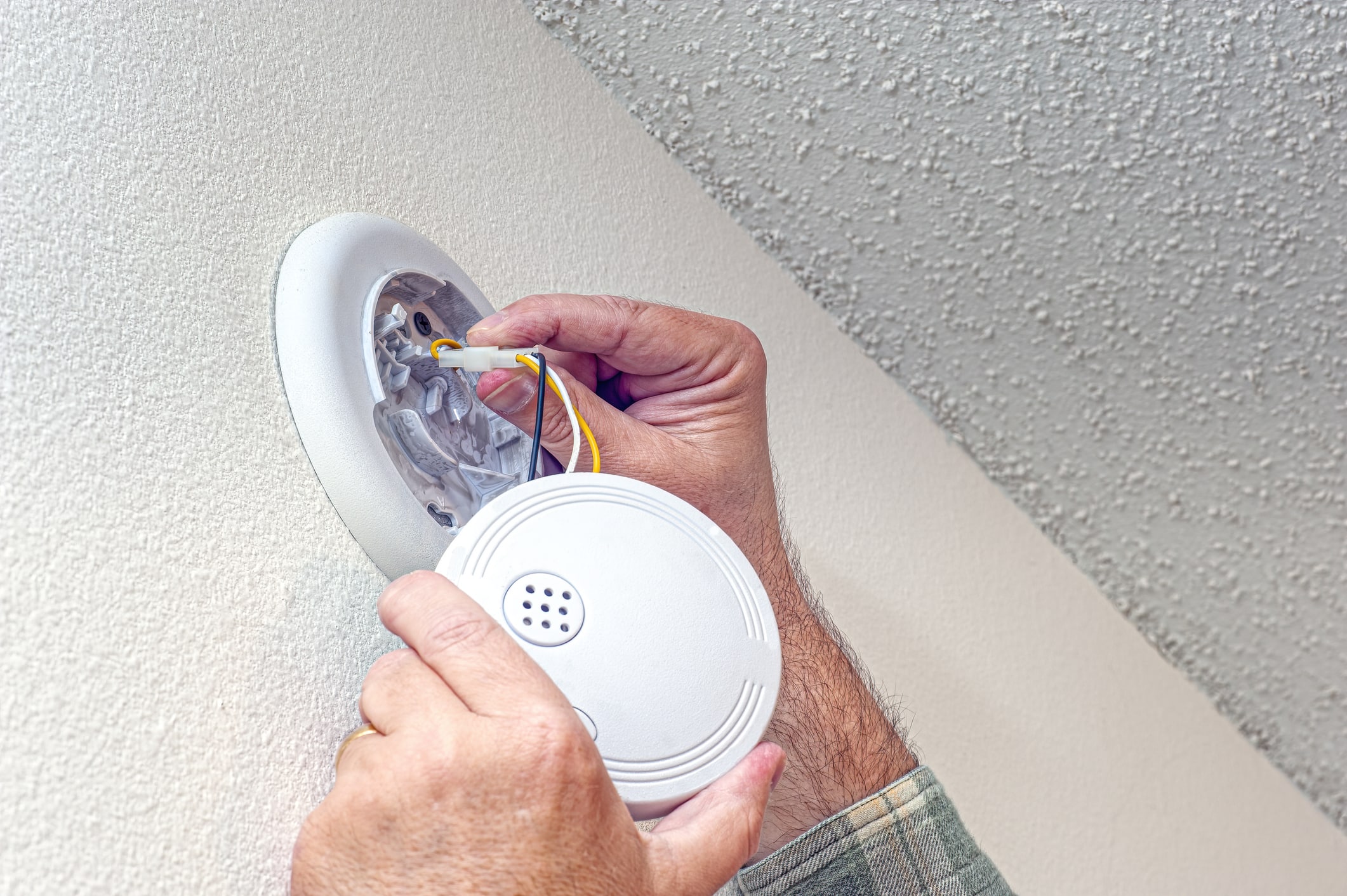
Smart homes get most of the attention for the devices you can see, but the…
Power Strip Safety: How to Avoid Dangerous Overloads
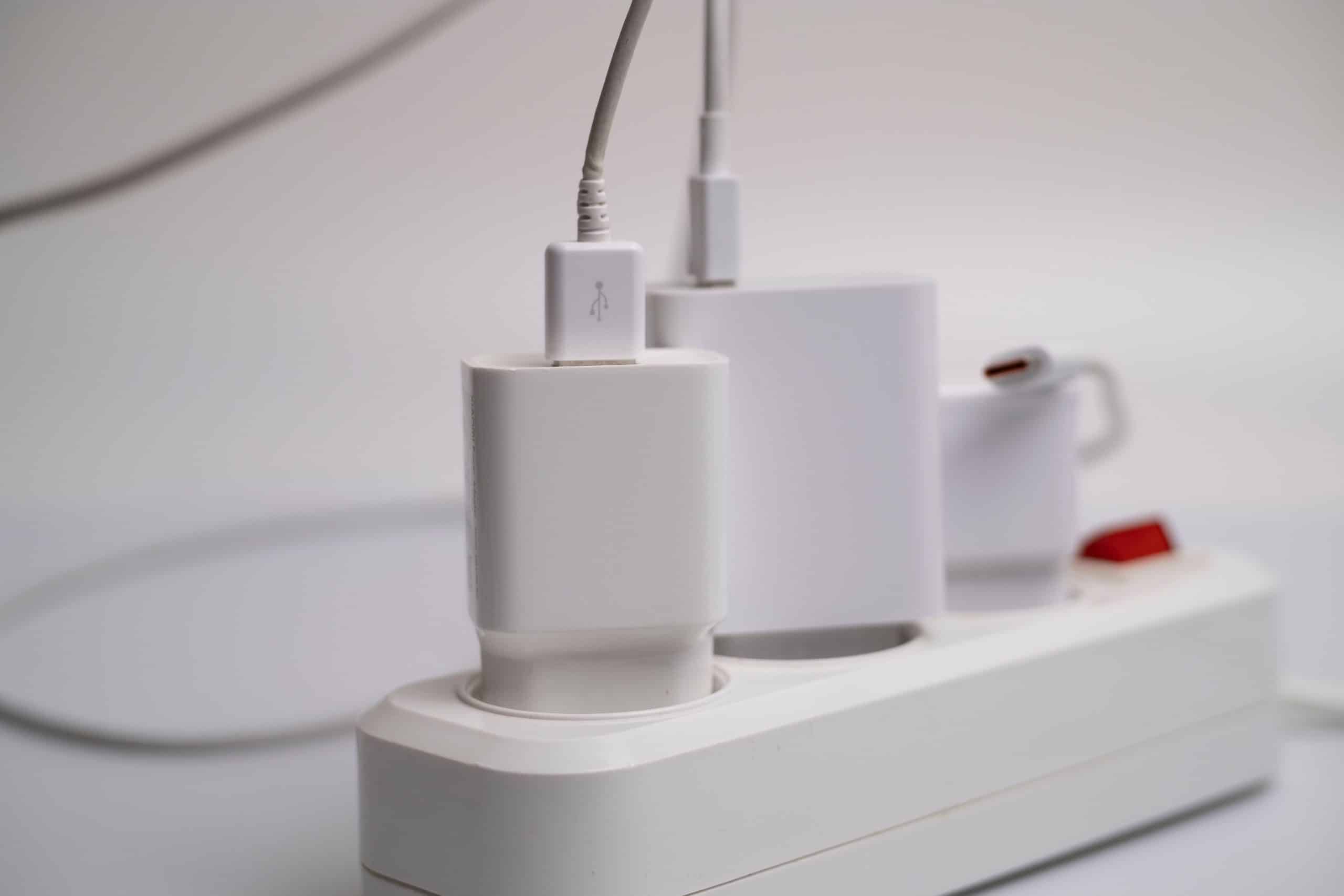
Six open sockets on a power strip can make it look like you have room to plug in six devices. While this may technically be true, it isn’t necessarily safe. A power strip gives you more places to plug things in, but it doesn’t give the circuit more power. Connect more equipment than the strip or circuit can safely handle, and the wiring can heat up, breakers may trip, and the risk of an electrical fire rises.
This problem becomes easier to overlook around the holidays, when decorations, chargers, kitchen appliances, heaters, and new electronics all seem to need an outlet at once. Join our experts as they explain the ins and outs of power strip safety best practices for your Katy home, and why following them is the best way to protect your home and family.
Power Strip Safety at a Glance
- Check the strip’s amperage or wattage rating before plugging equipment into it.
- Never plug one power strip into another to create more outlets.
- Keep space heaters and other high-demand heating equipment off power strips.
- A basic power strip and a surge protector do different jobs.
- Stop using a strip if it gets hot, smells burned, shows damage, or causes repeated breaker trips.
What Happens When You Overload a Power Strip?
Every device plugged into a power strip pulls electricity. Some use very little, while others can draw quite a bit. That means the number of open sockets doesn’t tell you how much more equipment you can safely connect. A strip may have room for another plug and still be close to its electrical limit.
UL recommends checking the electrical rating printed on the power strip, usually shown in amps or watts, and comparing that rating with the equipment you plan to use. A few phone chargers and a lamp are very different from a space heater, hair dryer, or countertop cooking appliance. And remember, the strip is only part of the picture. Everything plugged into outlets on the same circuit shares the circuit’s available capacity.
Does a Circuit Breaker Always Stop an Overloaded Power Strip?
A circuit breaker protects the circuit when the current gets too high. But you shouldn’t rely on repeated breaker trips to tell you when you’ve plugged in too much. A breaker that keeps tripping can indicate an overloaded circuit, a failing breaker, or issues with connected electrical components. Resetting the breaker repeatedly may get the lights back on for a few minutes, but it doesn’t fix the cause of the trip.
How Can You Tell if a Power Strip Is Overloaded?
Pay attention if a power strip, plug, or nearby outlet feels unusually warm. Burning smells, discoloration, buzzing, crackling, melted plastic, or a plug that no longer sits firmly in the socket are also signs you should not ignore. These problems can indicate that the strip is overloaded, damaged, or connected to a circuit that is already carrying too much current.
What Should You Do if a Power Strip Feels Hot?
First and most important: stop using it. If you can do so safely, unplug the devices and disconnect the strip. Don’t keep using an overheated strip because it seems to work again after cooling down.
Take a look at the wall outlet, too. If the outlet feels hot, looks discolored, makes noise, or smells burned, the issue may be inside the home’s electrical system rather than the power strip alone. That’s a good time to have an electrician check it.
What Should Never Be Plugged Into a Power Strip?
Space heaters are one common example of something that should never be plugged into a power strip. Electrical Safety Foundation International recommends plugging them directly into a wall outlet rather than using a power strip or extension cord because those extra connections can overheat. You should check the manufacturer’s instructions before connecting high-demand countertop cooking appliances, hair dryers, or other heating equipment to a strip.
Pro Tip: Don’t assume a device is safe to use on a power strip just because the plug fits.
Can You Plug a Power Strip Into Another Power Strip?
No. This is called daisy-chaining, and it doesn’t give you extra electrical capacity. You’re still pulling power through the same circuit, only now you’ve added more outlets and connections where heat or damage can develop.
Why Are Power Strips Riskier During the Holidays?
The holiday season can change how much electricity a room uses almost overnight by adding:
- Indoor string lights
- Outdoor decorations
- Inflatable displays
- Extra cooking appliances
- Space heaters
- Phone chargers for guests
- Whatever new electronics appeared under the tree
The U.S. Consumer Product Safety Commission advises homeowners not to overload electrical outlets during holiday decorating and to follow the manufacturer’s limits for the number of light strings connected.
How Can You Use Holiday Lights More Safely?
There are a few ways:
- Use lights and decorations rated for their location. Outdoor products should be made for outdoor use, and indoor-only products should never be used outdoors.
- Check cords before plugging them in. If you see cracked insulation, damaged plugs, exposed wire, or loose connections, retire the decoration instead of trying to squeeze one more season out of it.
- Always follow the product’s connection limits. A box of lights may tell you exactly how many strings can be connected together.
- Turn decorations off when you leave the house or go to bed. It’s a small habit, but it removes hours of unnecessary electrical use when nobody’s around.
What Is the Best Way to Protect Electronics From Power Surges?
A good approach to protecting your electronics from power surges uses more than one layer. Point-of-use surge protectors can help protect sensitive electronics plugged into them; a whole-home surge protector works farther upstream, at the electrical panel, and helps limit surges before they spread through more of the home’s wiring. We recommend a layered approach that includes whole-home surge protection and quality point-of-use protection for sensitive equipment.
Why Does Whole-Home Surge Protection Matter in the Katy Area?
Storms are part of life in and around Katy and the greater Houston area, and lightning can cause damaging electrical surges. Power can also fluctuate due to utility events or equipment switching inside or outside the home. A whole-home surge protector gives those spikes another place to go before they reach the electronics scattered throughout the house.
Common Questions About Power Strip Safety
How many devices can you plug into a power strip?
There is no safe number based only on the number of outlets. Check the strip’s amperage or wattage rating and the power draw of the connected devices. Several low-power devices may use less electricity than one high-wattage device.
Is it safe to leave a power strip on all the time?
It depends on what is connected and the condition of the strip. A quality strip rated for low-power electronics is different from one rated for high-demand equipment. Stop using any strip that becomes hot, damaged, loose, or discolored.
When should an electrician check an overloaded circuit?
Call Electric City if breakers keep tripping, outlets or plugs get hot, you hear buzzing or crackling, see scorch marks, or smell something burning. You should also consider an inspection if a room constantly needs several strips because there aren’t enough usable outlets.
Give Your Electrical System Some Breathing Room
Power strips are useful when you use them for what they were designed to do. The trouble starts when extra outlets get mistaken for extra electrical capacity.
Check the strip’s rating, keep high-demand equipment off it, avoid daisy-chaining, and pay attention when outlets or breakers start warning you that something is wrong. And if you’re protecting expensive electronics, make sure you’re using real surge protection rather than assuming every power strip has it.
Make Sure Your Home Has the Power It Needs Safely
Running out of outlets or dealing with breakers that keep tripping? Our team at Electric City can check your circuits, wiring, outlets, and surge protection and find the real cause before it becomes a bigger safety problem.
Call 832-724-1781 or contact Electric City for service in the Katy area.
Related Posts